Home & decoration
Creating a home that truly works for you goes far beyond choosing pretty colors or trendy furniture. The most successful living spaces balance aesthetic appeal with practical function, psychological comfort, and long-term adaptability. Whether you’re furnishing your first apartment, redesigning a family home, or optimizing a remote work environment, understanding the fundamental principles of home decoration and design empowers you to make choices that enhance both your daily life and your property’s value.
This comprehensive resource explores the interconnected elements that transform a house into a home: from spatial planning and storage strategies to the psychological effects of your design choices. You’ll discover why certain layouts reduce stress, how to create spaces that evolve with your changing needs, and which investments deliver lasting value versus fleeting trends. Think of this as your foundation—a framework for making informed decisions that result in spaces you’ll love living in for years to come.
Space Planning: Creating Flow and Function
The way a space is organized fundamentally determines how well it serves your daily routines. Effective space planning considers not just where furniture sits, but how people move through rooms, where natural light falls throughout the day, and how different activities coexist without conflict.
Understanding Open Versus Closed Floor Plans
The debate between open and closed floor plans isn’t about which is universally “better”—it’s about matching layout to lifestyle. Open layouts excel at creating connection and visual spaciousness, making them ideal for families with young children or those who entertain frequently. However, they can also amplify noise, reduce privacy, and make temperature control more challenging. Closed floor plans offer distinct zones for concentration, conversation, and rest, which many remote workers and multi-generational households find invaluable. The psychological difference is significant: open spaces tend to encourage social interaction but can increase stress for those who need quiet retreats, while defined rooms provide sanctuary but may feel isolating to others.
Designing Multi-Purpose Rooms
Modern life increasingly demands that single rooms serve multiple functions. A successful multi-purpose room relies on three principles: zoning, flexibility, and visual coherence. Zoning uses furniture arrangement, area rugs, or even lighting to create distinct areas within one space—think of a living room corner that transforms into a workspace. Flexibility comes from furniture that adapts, like ottomans with storage or fold-down desks. Visual coherence ensures these different functions don’t create chaos; a consistent color palette or design style unifies the space even as its uses shift throughout the day.
Lighting as Architectural Strategy
Light doesn’t just illuminate—it sculpts space and influences perception. Layering three types of lighting creates both functionality and atmosphere: ambient lighting provides overall illumination, task lighting focuses on specific activities, and accent lighting highlights architectural features or artwork. Natural light positioning matters enormously; rooms with morning eastern light feel energizing, while western afternoon light creates warmth but can cause glare. Strategic placement of mirrors can effectively double natural light in darker spaces, while dimmer switches allow a single room to shift from productive workspace to relaxing retreat.
How Your Home Affects Your Mind and Mood
Your surroundings exert constant, subtle influence on your emotional state and cognitive performance. Understanding these psychological connections allows you to design spaces that actively support your well-being rather than inadvertently undermining it.
Research consistently demonstrates that texture impacts comfort levels and anxiety. Rough, varied textures in materials like chunky knit throws, natural wood grain, or woven baskets create tactile interest that many find grounding and calming. Conversely, entirely smooth, hard surfaces—while easier to clean—can feel sterile and increase acoustic harshness, potentially elevating stress. The key is balance: combining smooth surfaces for practicality with textured elements for psychological comfort creates environments that feel both functional and nurturing.
For those working from home, decor choices directly influence productivity and mental clarity. Cool tones like blues and greens typically enhance focus and reduce eye strain, making them excellent for home offices. Organized, intentional spaces with minimal visual distraction correlate with improved concentration, while personalized elements—a meaningful piece of art, a plant, family photos—provide psychological anchoring without becoming clutter. The goal is creating an environment your brain recognizes as “work mode” while maintaining enough comfort to sustain you through long days.
Smart Storage and the Art of Decluttering
Storage isn’t just about hiding things away—it’s about reducing cognitive load, the mental energy your brain expends processing visual information. Cluttered environments literally tire your mind by forcing constant low-level decisions about what to focus on and what to ignore.
Maximizing Vertical Space
Most rooms are dramatically underutilized above eye level. Vertical storage strategies include:
- Floor-to-ceiling shelving that draws the eye upward, making rooms feel larger while maximizing capacity
- Wall-mounted systems in kitchens and bathrooms that free up counter space
- Overhead storage in garages and closets for seasonal items
- Tall, narrow cabinets in tight spaces like hallways or between windows
When styling shelves, the key to avoiding visual chaos is the “rule of thirds”: approximately one-third books or functional items, one-third decorative objects in varying heights, and one-third empty space. This breathing room prevents shelves from becoming overwhelming.
True Minimalism Versus Buying More Storage
The paradox of modern decluttering: people often respond to clutter by purchasing storage solutions, which simply relocates the problem and adds expense. Functional minimalism differs from austere asceticism—it’s not about deprivation, but about intentionally keeping only what serves a purpose or brings genuine joy. A practical decluttering strategy works room by room, preventing the overwhelm of tackling everything simultaneously. The “one in, one out” rule maintains balance once you’ve reached your ideal state: each new item requires removing something existing, forcing mindful consumption and preventing gradual accumulation.
Flexibility: Designing Homes That Adapt
Life changes—children grow, careers shift, aging parents move in, hobbies evolve. Homes designed with adaptability accommodate these transitions without requiring complete renovation.
Modular furniture systems represent one of the most practical investments for changing households. Unlike fixed pieces, quality modular systems allow reconfiguration as needs evolve: a sectional sofa separates into smaller seating arrangements, shelving units expand or contract, and modular desks adapt from individual workstations to collaborative spaces. For growing families, this means a child’s room can transform from nursery to teen retreat using the same foundational pieces, significantly reducing long-term costs.
However, not all modular systems deliver equal value. Cheap mechanisms often fail within a few years, undermining the entire value proposition. When evaluating options, test connection points for stability, verify that replacement parts are available, and prioritize systems from established manufacturers with track records. The economic benefit of truly adaptable furniture only materializes if the pieces actually last through multiple configurations.
Planning for future expansion means considering how spaces might be repurposed. A ground-floor room designed as an office could later serve as an accessible bedroom; a basement with proper egress and natural light potential offers eventual living space; wide doorways and minimal steps facilitate aging in place. These considerations require minimal additional investment during initial design but preserve valuable options for decades.
Making Thoughtful Decor Decisions
The decoration market constantly pushes new trends, but wise choices prioritize personal meaning and lasting value over momentary fashion.
Fast-fashion decor—inexpensive, trendy items designed for brief lifespans—creates a costly cycle of purchase, disposal, and replacement. While tempting for their low entry price, these pieces rarely last beyond a season or two and contribute to both financial waste and environmental burden. The alternative isn’t necessarily buying expensive items, but rather choosing timeless designs in neutral foundations, then adding personality through easily changeable elements like pillows, throws, or artwork.
When selecting art, the personal versus resale value question deserves honest consideration. If you’re choosing for your own enjoyment, prioritize pieces that resonate emotionally, regardless of the artist’s market reputation. However, if you view art partially as investment, focus on emerging artists with consistent gallery representation, limited edition prints from established names, or local artists gaining recognition. Original works nearly always hold value better than mass-produced prints.
Seasonal decor updates create freshness without complete overhauls. An efficient approach involves:
- Establishing a neutral base that works year-round (furniture, major textiles, wall colors)
- Rotating seasonal accent colors through pillows, throws, and small accessories
- Scheduling updates around solstices rather than every month to maintain sanity and budget
- Storing seasonal items in clearly labeled, accessible containers to make swaps effortless
Flooring: Foundation of Comfort and Value
Flooring represents one of the most significant investments in any home, affecting everything from property value to daily health and comfort.
Natural flooring materials—particularly hardwood—offer substantial advantages for allergen reduction. Unlike carpet, which traps dust, pollen, pet dander, and other particles, hard surfaces allow thorough cleaning and don’t harbor irritants. This makes them particularly valuable for households with asthma, allergies, or young children. The health benefits extend to air quality generally, as properly maintained hard floors don’t emit the volatile organic compounds that some synthetic materials release.
Wood species selection requires balancing aesthetics with practical durability. Oak and maple rank among the hardest domestic options, resisting dents and scratches well in high-traffic areas. Walnut offers rich color but softer composition, better suited to bedrooms than entryways. Exotic hardwoods like Brazilian cherry provide exceptional hardness but come with higher costs and environmental considerations. For areas with moisture exposure, engineered wood often outperforms solid wood, as its layered construction resists expansion and contraction.
Water damage represents the primary threat to wood floors, causing warping, cupping, and staining that can require complete replacement. Prevention centers on immediate cleanup of spills, proper sealing, and—critically—humidity control. Wood performs best in environments maintained between 30-50% relative humidity. Below this range, gaps appear between planks; above it, boards swell and buckle. Whole-home humidifiers or dehumidifiers often prove worthwhile investments for protecting flooring investments.
Refinishing floors every 7-10 years restores their appearance and protection, dramatically extending lifespan and maintaining home value. The process involves sanding away the worn finish and top layer of wood, then applying fresh stain and protective coating. This restoration costs a fraction of replacement while delivering nearly new-floor results, making it one of the most cost-effective home maintenance activities.
Creating a home that serves you well requires understanding these interconnected elements—how space planning affects daily function, how design choices influence psychology, how smart storage reduces mental burden, and how thoughtful investments deliver lasting value. Armed with these principles, you can navigate the countless decisions home decoration presents with confidence, building spaces that truly enhance your life rather than simply following trends. The most successful homes aren’t those following rigid rules, but those thoughtfully designed around the specific needs, values, and aspirations of the people living in them.

Engineered vs Solid Hardwood: Which Is Better for Homes with Radiant Heating?
The best hardwood for radiant heat is not a single product, but a complete material system designed for thermal harmony and long-term performance. Engineered wood offers superior stability due to…
Read more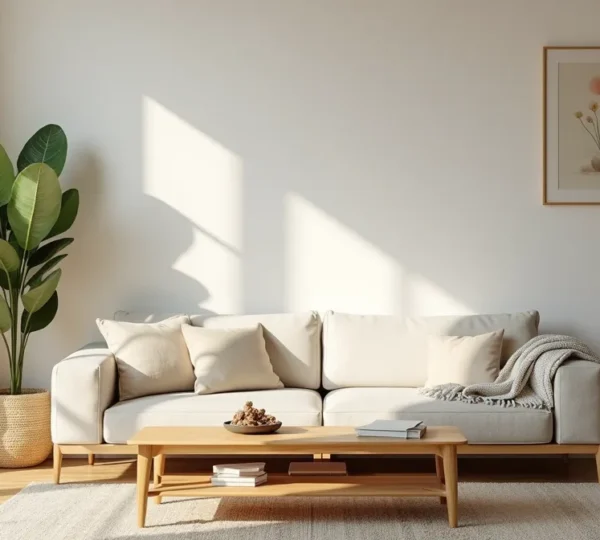
How to Transition to a Minimalist Home Strategy Without Feeling Deprived?
Transitioning to a minimalist home isn’t about what you remove, but about what you intentionally choose to keep to create a life-giving space. Visual clutter is scientifically proven to increase…
Read more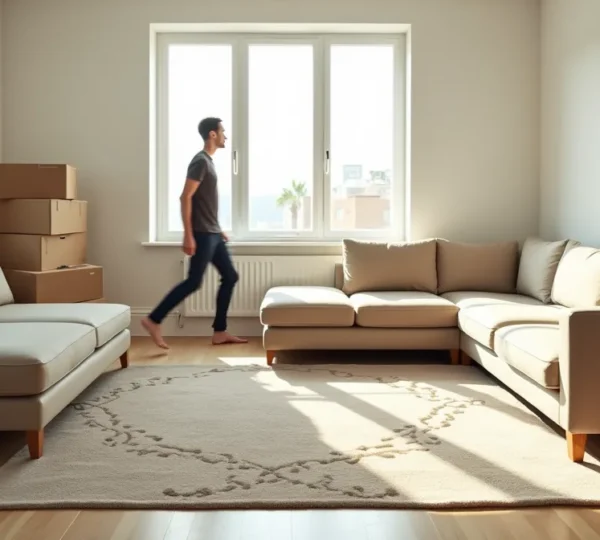
Why Modular Sofas Are the Only Logical Choice for Renters Moving Every 2 Years?
For frequent renters, modular furniture is the only financially and logistically sound choice, transforming a recurring expense into a long-term, adaptable asset. It drastically cuts long-term costs by eliminating the…
Read more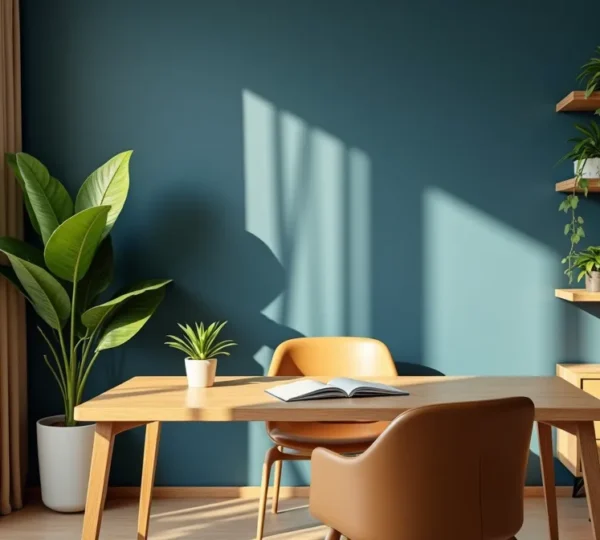
Why Specific Color Palettes Increase Productivity in Home Offices by 20%
Transforming your home office from a source of fatigue into a catalyst for focus isn’t about trendy decor; it’s about applying the science of cognitive ergonomics. Your environment directly influences…
Read more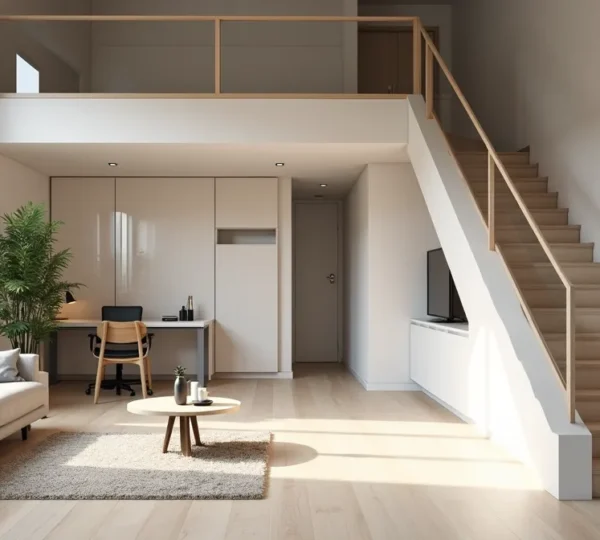
How to Optimize Small Living Spaces Without Sacrificing Functional Flow?
Contrary to popular belief, making a small space feel truly larger isn’t about mirrors or paint. It’s about structural intelligence and eliminating “spatial friction.” This guide moves beyond decorating tips…
Read more