Real estate & renovation
Real estate represents one of the most tangible and potentially rewarding investment vehicles available, yet it demands a unique blend of financial acumen, technical knowledge, and practical skills. Whether you’re considering your first property purchase, planning a value-adding renovation, or building a diversified portfolio, the decisions you make today will echo through decades of ownership, affecting everything from your monthly utility bills to your long-term wealth accumulation.
The intersection of real estate and renovation creates remarkable opportunities for those who understand the fundamentals. A well-executed upgrade can transform an underperforming asset into a cash-flowing powerhouse, while a strategic acquisition in an emerging neighborhood can multiply your investment several times over. This comprehensive resource connects the dots between market analysis, physical improvements, energy optimization, and value preservation, giving you the foundational knowledge to navigate this multifaceted field with confidence.
Understanding Property Investment Fundamentals
Successful real estate investment begins with understanding that property is fundamentally different from stocks or bonds. You’re not just buying a financial instrument; you’re acquiring a physical asset influenced by location dynamics, economic cycles, and demographic shifts. Think of it as purchasing a business rather than a share certificate—each property has its own operational characteristics, maintenance requirements, and income potential.
The choice between rental income and capital appreciation represents one of the most critical strategic decisions you’ll face. Rental-focused properties generate monthly cash flow, creating a steady income stream that can cover mortgage payments and provide financial stability. Appreciation-oriented investments, conversely, may deliver minimal immediate returns but position you for substantial long-term gains as neighborhoods develop and property values climb. Many sophisticated investors employ a hybrid approach, maintaining a portfolio that balances both objectives.
Portfolio diversification in real estate extends beyond simply owning multiple properties. Geographic spread protects you against localized economic downturns, while diversifying across property types—residential, commercial, multi-family—reduces vulnerability to sector-specific challenges. International investments can offer compelling opportunities, particularly in markets experiencing currency advantages or rapid urbanization, though they introduce additional complexities around foreign regulations, tax implications, and management logistics.
Inflation fundamentally alters the real estate equation. As currency values decline, tangible assets like property typically maintain or increase their value, acting as a hedge against monetary erosion. Simultaneously, fixed-rate mortgages become progressively easier to service with inflated future dollars, creating a powerful wealth-building mechanism that few other investment classes can replicate.
Maximizing Returns Through Strategic Renovations
Property flipping and development projects offer accelerated returns for those willing to manage construction timelines, contractor relationships, and budget constraints. The fundamental question isn’t whether to renovate, but rather which improvements deliver the highest ROI relative to your market and target buyer profile.
The distinction between cosmetic and structural renovations carries profound implications for both budget and profitability. Cosmetic updates—fresh paint, updated fixtures, new flooring—typically cost substantially less and can be completed quickly, making them ideal for tight timelines and limited budgets. Structural work, including foundation repairs, roof replacements, or room additions, demands significantly higher investment and longer completion periods, but can unlock value in properties that cosmetic work alone cannot salvage.
Market demand analysis should drive every renovation decision. A luxury kitchen renovation might yield exceptional returns in an upscale suburban neighborhood where families prioritize entertaining space, yet completely miss the mark in an urban area dominated by young professionals seeking low-maintenance living. Understanding your buyer’s priorities—whether that’s home office space, outdoor areas, or energy efficiency—ensures your renovation dollars target features that actually influence purchase decisions.
Three factors consistently derail renovation profitability:
- Permitting delays that extend holding costs and push projects beyond optimal selling windows
- Budget overruns stemming from inadequate initial inspections or contractor mismanagement
- Over-personalization that transforms a property into a niche product with limited buyer appeal
Contractor timeline management separates successful flippers from those who watch profits evaporate through extended holding periods. Establish clear milestones, implement penalty clauses for delays, and maintain multiple qualified contractors in your network to avoid dependency on a single team.
Property Due Diligence and Inspection Essentials
The most beautifully staged home can conceal structural nightmares that transform a seemingly profitable investment into a financial catastrophe. Professional inspections represent your primary defense against purchasing someone else’s deferred maintenance, yet not all inspections are created equal. Understanding what inspectors examine—and more importantly, what they miss—protects you from costly surprises.
Foundation integrity deserves particular attention, as foundation issues can easily exceed tens of thousands in repair costs while signaling potential problems with soil stability, drainage, or original construction quality. Warning signs include doors that stick, cracks in walls or floors, and uneven surfaces, though many foundation problems remain invisible without specialized assessment.
Flipped properties warrant elevated scrutiny. While many flippers perform quality work, others prioritize cosmetic appeal over structural soundness, layering attractive finishes over compromised systems. Recently renovated homes should trigger questions rather than reassurance: Were permits pulled? Who performed the work? Can the seller provide documentation of improvements?
A strategic pre-inspection approach involves:
- Conducting your own preliminary walkthrough, documenting concerns with photos and notes
- Hiring a generalist inspector for comprehensive coverage of major systems
- Engaging specialists (structural engineers, roofers, HVAC technicians) for any red flags identified
- Leveraging findings to negotiate price reductions or repair credits before closing
Inspection findings provide negotiating leverage even when they don’t justify walking away from a deal. Documented defects create objective justification for price adjustments, transforming subjective negotiations into fact-based discussions about repair costs and property value.
Soundproofing and Acoustic Comfort in Modern Living
Noise pollution has emerged as a significant quality-of-life concern in modern apartments and densely populated neighborhoods, with chronic exposure linked to elevated stress levels, sleep disruption, and measurable health consequences. Yet acoustic comfort rarely receives adequate attention during property selection or renovation planning, despite its profound impact on daily living experience.
Effective soundproofing requires understanding that sound travels through both air and physical structures. Airborne noise—conversations, television, music—transmits through gaps and thin barriers, while impact noise from footsteps or furniture movement vibrates through structural elements like floors and walls. Comprehensive solutions must address both transmission types.
Common soundproofing materials vary significantly in effectiveness and application:
- Acoustic panels absorb sound within a room, reducing echo and reverberation but offering limited protection against external noise
- Mass-loaded vinyl adds density to walls and floors, blocking airborne transmission effectively
- Acoustic underlayment beneath flooring specifically targets impact noise, crucial for apartment dwellers with neighbors below
- Resilient channels mechanically decouple drywall from studs, interrupting vibration pathways
Bedroom layout optimization can substantially improve acoustic comfort without construction work. Positioning beds away from shared walls, locating closets as buffer zones between bedrooms and noise sources, and strategically placing bookcases or upholstered furniture creates passive sound barriers that meaningfully reduce disturbance.
Soundproofing projects frequently fail because homeowners expect complete silence rather than meaningful noise reduction, or because they address only one transmission pathway while leaving others untreated. Setting realistic expectations and taking a comprehensive approach produces far more satisfactory outcomes.
Energy Efficiency and Long-Term Cost Reduction
Energy efficiency improvements deliver a rare trifecta: reduced environmental impact, lower operational costs, and increased property value. While some upgrades require substantial upfront investment, many pay for themselves within years through utility savings, with the benefits continuing to compound over decades of ownership.
Window replacement exemplifies this principle. Modern windows with low U-factors (measuring heat transfer rate) and high R-values (measuring insulation effectiveness) can reduce heating and cooling costs by twenty to thirty percent in older homes where original single-pane windows remain. Frame material selection—vinyl, wood, fiberglass, or aluminum—affects both thermal performance and maintenance requirements, with vinyl offering the best insulation properties at moderate cost.
Seal failure in existing windows manifests through condensation between panes, indicating that the insulating gas has escaped and thermal performance has degraded substantially. While individual seal replacement is sometimes possible, deterioration often signals that complete window replacement will prove more cost-effective than attempting piecemeal repairs.
Calculating payback periods requires comparing total installation costs against projected annual savings. A window upgrade costing eight thousand dollars that reduces annual heating and cooling expenses by six hundred dollars achieves payback in approximately thirteen years, with continued savings thereafter plus increased home value and improved comfort throughout.
Beyond windows, comprehensive energy optimization addresses multiple systems:
- Air leak identification and sealing, which often delivers the highest return on investment
- Heating system upgrades to high-efficiency models with programmable thermostats
- Elimination of phantom power loads from devices drawing electricity while idle
- Insulation improvements in attics, walls, and basements
DIY home energy audits provide valuable insights at minimal cost. Walking through your property with an infrared thermometer on a cold day reveals thermal leaks, while monitoring your utility meter before and after turning off all devices exposes phantom loads. Professional energy audits employ more sophisticated diagnostic equipment but follow similar principles.
Urban Development and Location Intelligence
The old real estate maxim—location, location, location—remains true, but understanding how locations evolve over time separates sophisticated investors from those who simply follow current pricing. Infrastructure development, zoning changes, and demographic shifts telegraph future value increases years before they manifest in market prices, creating opportunities for those who learn to read these signals.
New transit lines exemplify transformative infrastructure investments. Properties within walking distance of planned stations typically experience substantial appreciation between project announcement and completion, with further gains as the improved connectivity attracts businesses and residents. The key lies in timing your entry after route approval but before construction begins, when informed investors recognize the opportunity but mainstream buyers haven’t yet driven up prices.
Zoning interpretation provides another predictive tool. Changes permitting higher density—such as allowing multi-family structures in previously single-family zones—signal municipal growth intentions and create development potential that elevates land values. Understanding these regulatory shifts requires monitoring planning commission meetings and master plan updates, unglamorous work that pays substantial dividends.
The suburbs versus city center decision depends fundamentally on your investment timeline and objectives. Urban cores typically offer stronger rental yields and tenant demand but higher acquisition costs and more intense competition. Suburban properties often appreciate more slowly but provide better cash flow and attract longer-term tenants, particularly families seeking school access and outdoor space.
Regenerating districts present both opportunity and risk. Early entry into neighborhoods undergoing revitalization can deliver exceptional returns as infrastructure improves and demographics shift, but mistiming the transformation or failing to account for environmental risks can trap you in a declining area with limited exit options. Successful navigation requires distinguishing genuine regeneration indicators—new business investment, infrastructure commitments, crime reduction—from wishful thinking.
Preparing Properties for Maximum Exit Value
Value preservation throughout ownership and strategic pre-sale preparation determine whether you capture your property’s full market potential or leave significant equity on the table. The psychology of buyer first impressions begins forming before prospects even enter your property, as they evaluate curb appeal, neighborhood condition, and online listing photos.
Professional staging specifically designed for photography has become essential in digital-first markets where buyers screen properties online before scheduling viewings. Wide-angle shots demand decluttering and furniture arrangement that creates visual flow, while highlighting architectural features and natural light. The investment in staging typically returns three to five times its cost through faster sales and higher offers.
The repairs versus upgrades dilemma requires strategic thinking about your buyer profile and market positioning. Deferred maintenance—leaking faucets, damaged flooring, failing HVAC systems—must be addressed, as these trigger buyer concerns about overall property care and generate lowball offers. Upgrades, conversely, should align with market expectations for your price point without exceeding them. Installing luxury finishes in a starter-home neighborhood wastes capital that buyers won’t pay you to recover.
Market timing significantly influences both sale price and time on market. Listing during peak buying seasons—typically spring and early fall in most markets—exposes your property to maximum buyer traffic and competitive pressure that drives offers higher. Conversely, listing during holidays or midsummer often means languishing inventory and price reductions to attract limited buyers.
Over-personalization represents one of the most common value destroyers in pre-sale preparation. Highly specific design choices, bold color schemes, or custom features that reflect your unique preferences force buyers to envision expensive modifications, depressing offers or eliminating interest entirely. Neutral, broadly appealing aesthetics allow prospects to imagine themselves in the space without mental renovation costs.
The real estate and renovation landscape rewards those who combine market knowledge, technical understanding, and strategic execution. Whether you’re optimizing a single residence for personal use or building a multi-property investment portfolio, the principles remain consistent: conduct thorough due diligence, make data-driven improvement decisions, maintain properties conscientiously, and position assets strategically for your next objective. Each decision builds upon previous ones, creating compounding advantages that separate exceptional outcomes from mediocre results.

How to Cut Your Monthly Energy Bill by 30% Without Solar Panels?
Your highest energy costs likely come from hidden waste, not from what you actively use. Significant savings are found by eliminating the energy your home loses 24/7. Structural air leaks…
Read more
Why Triple Glazing Might Be Overkill for Homes in Mild Climates?
Upgrading to triple-pane windows in a mild climate is often a financial mistake; the key to cutting energy bills lies in optimizing for the right performance metrics, not simply adding…
Read more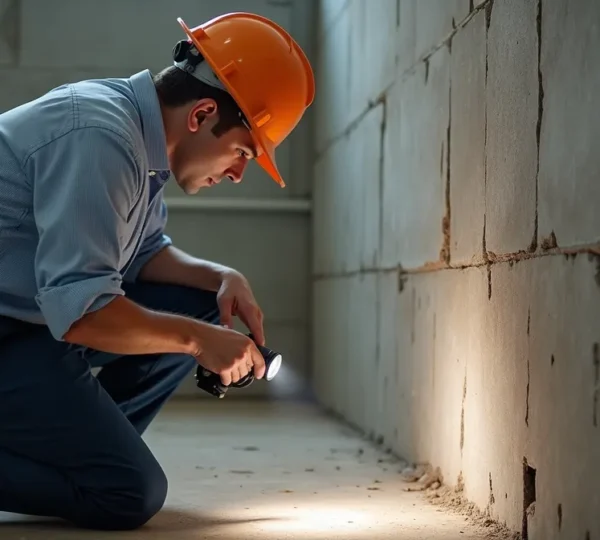
How to Spot the $10,000+ Structural Defects That House Flippers Hide
The most expensive home defects are never cosmetic; they are systemic failures hidden behind fresh paint and new flooring. Minor cracks in a basement floor can signal major hydrostatic pressure…
Read more
Why Ignoring Curb Appeal Can Drop Your Final Sale Price by Up to 10%?
The key to maximizing your home’s sale price isn’t spending more on renovations; it’s strategically eliminating any reason for a buyer to hesitate or offer less. First impressions are financial…
Read more
How to Spot Gentrification Zones 3 Years Before Property Prices Spike?
The key to predicting gentrification isn’t spotting new coffee shops; it’s deciphering the city’s structural DNA before anyone else. Major infrastructure projects like new transit lines create “capital gravity,” predictably…
Read more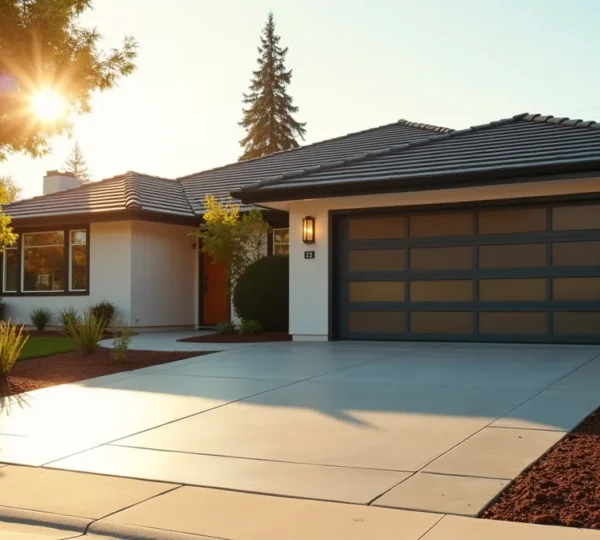
Flipping Under 6 Months: Which Upgrades Actually Maximize Your ROI?
The fastest path to profit isn’t a kitchen gut-reno, but a series of precise, high-velocity upgrades engineered for speed and buyer impact. Bathroom additions offer superior ROI and significantly shorter…
Read more
How to Achieve Studio-Grade Silence in a City Apartment Without Rebuilding Walls?
Achieving real silence isn’t about adding rugs and curtains; it’s about systematically eliminating the specific acoustic weak points in your apartment. Sound travels through both air (airborne noise) and structures…
Read more
How to Secure High-Yield Real Estate Assets During Economic Volatility?
Securing property investments in a volatile economy isn’t about timing the market; it’s about building a portfolio with structural resilience against systemic risks. Identify assets with built-in inflation hedges like…
Read more